Overview
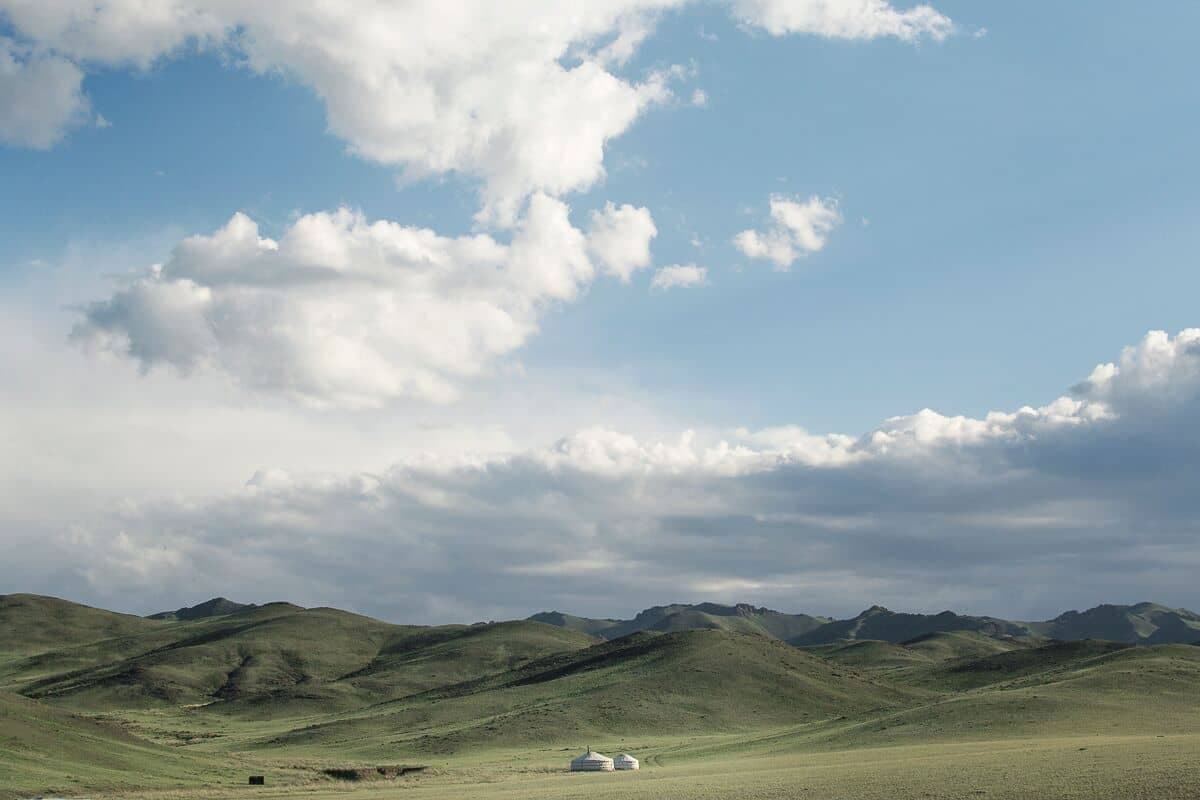
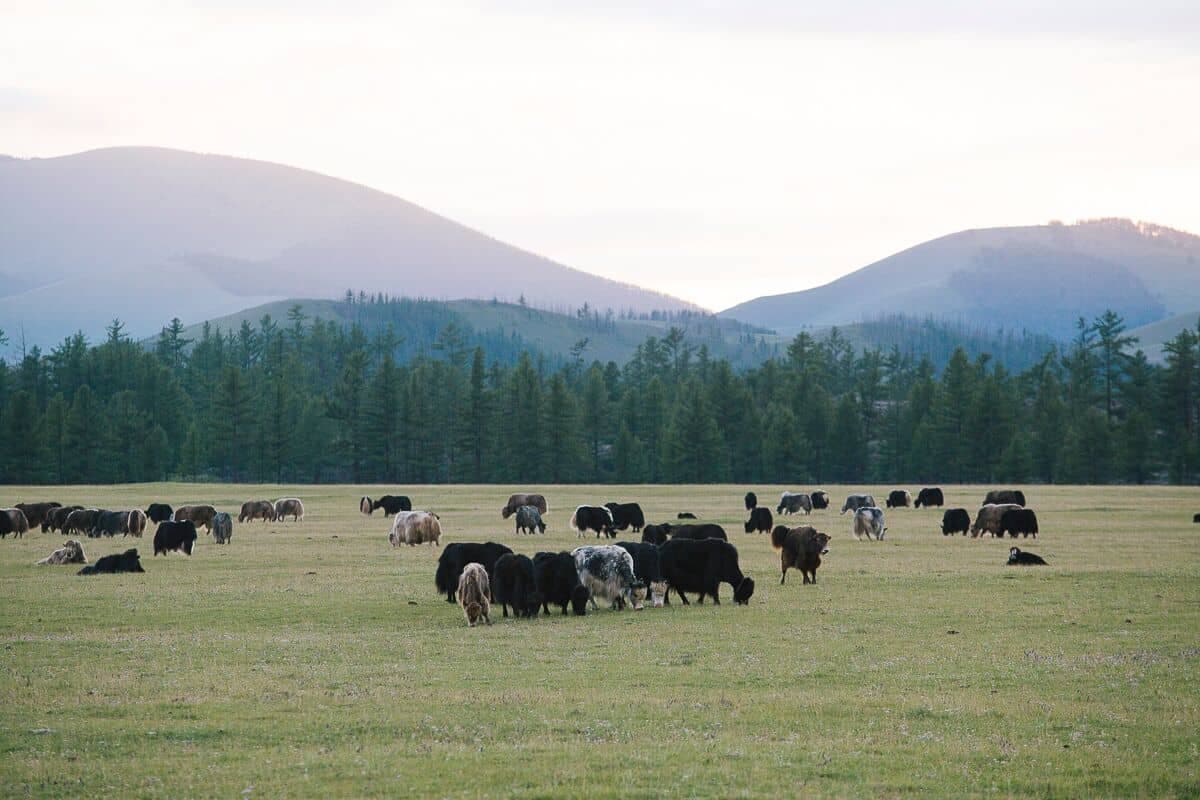
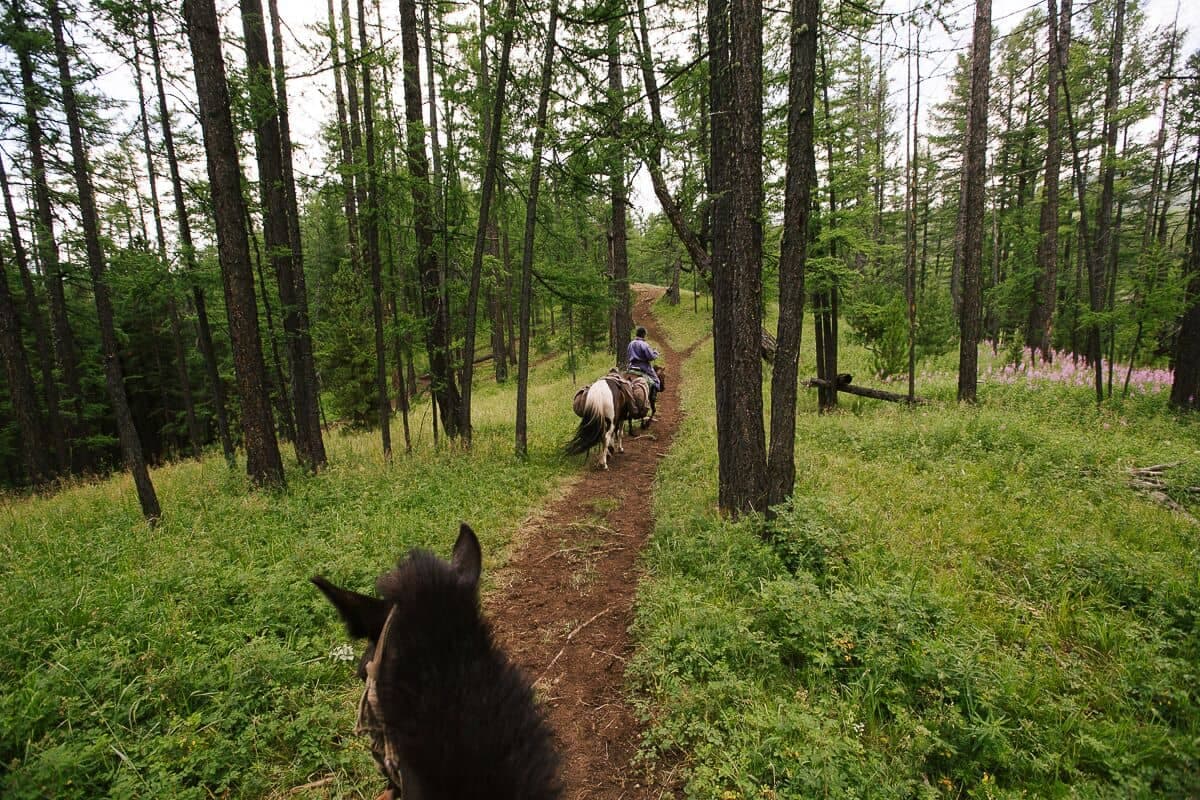
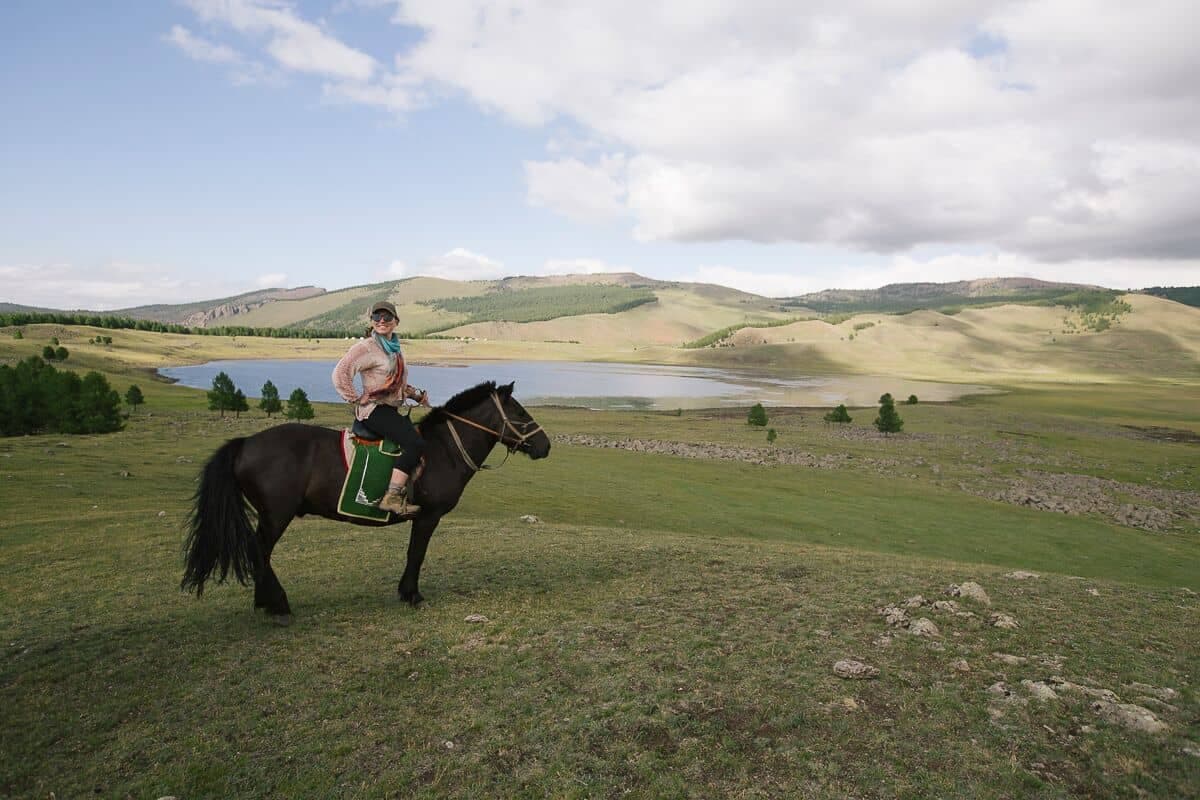
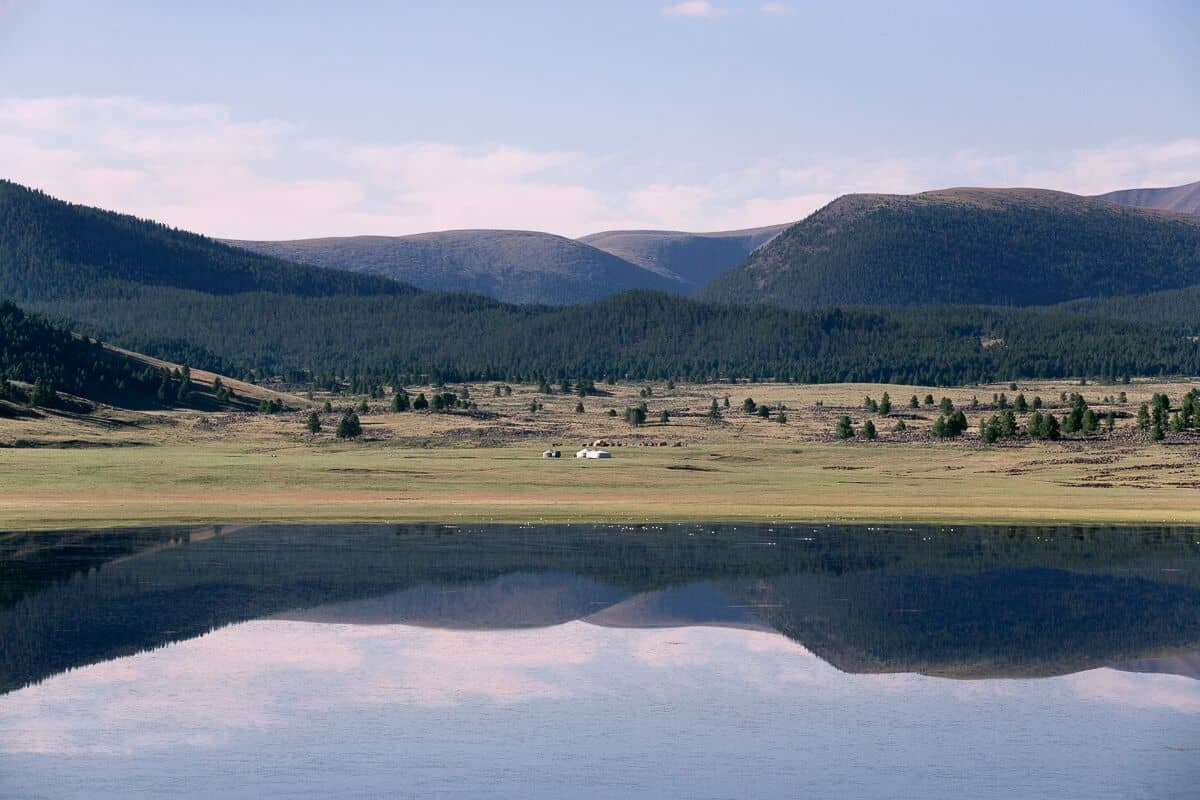
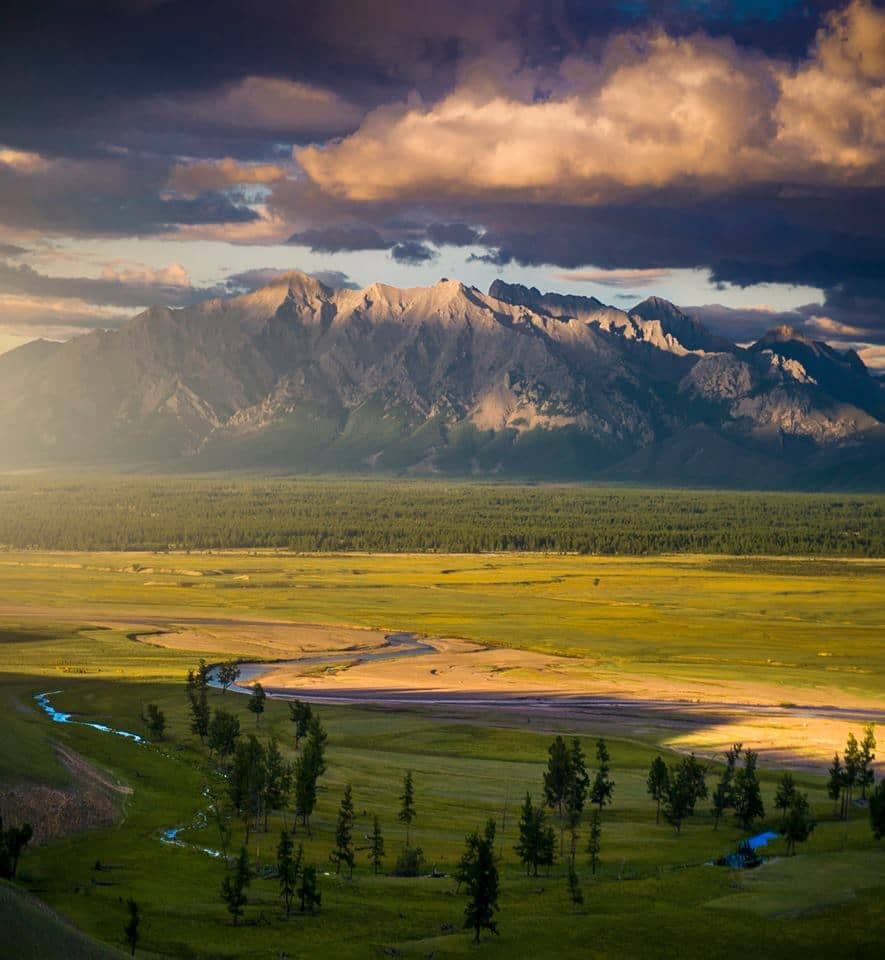
Explore the Central Mongolian picturesque lakes, forested mountains as well as volcanic craters and Khuvsgul lake known as Blue Pearl. You will visit Amarbayasgalant and Erdene Zuu monasteries which have historical significances. Enjoy the spectacular views of endless grassland, and forested mountains and relax at Tsenkher hot spring.
Tour highlights
Day by day
Amarbayasgalant Monastery
We will pick you up from your hotel at 8am. Then we head to Amarbayasgalant monastery. It is one of the three largest Buddhist centers in Mongolia, is located near the Selenge River in the Iven Valley at the foot of Buren Khan Mountain. It was built from 1727 to 1736, without the use of any nails. Amarbayasgalant was one of the very few monasteries to have partly escaped destruction during the Stalinist purge of 1937, after which only the buildings of the central section remained.
Uran togoo crater
After breakfast, we drive to Uran togoo crater which was active around 20 thousand years ago. The crater is now transformed into beautiful forest and a small lake at the bottom. We will take a beautiful hike to the crater through the woods.
Khuvsgul Lake
After breakfast, we head to the Khuvsgul lake which is the second largest lake in Mongolia as well as the deepest. It is well- known as the Blue pearl of Mongolia, because of its crystal-clear water. Possible activities include motor-boat ride to Wish Rock and hiking.
Khugnu Tarna natural reserve
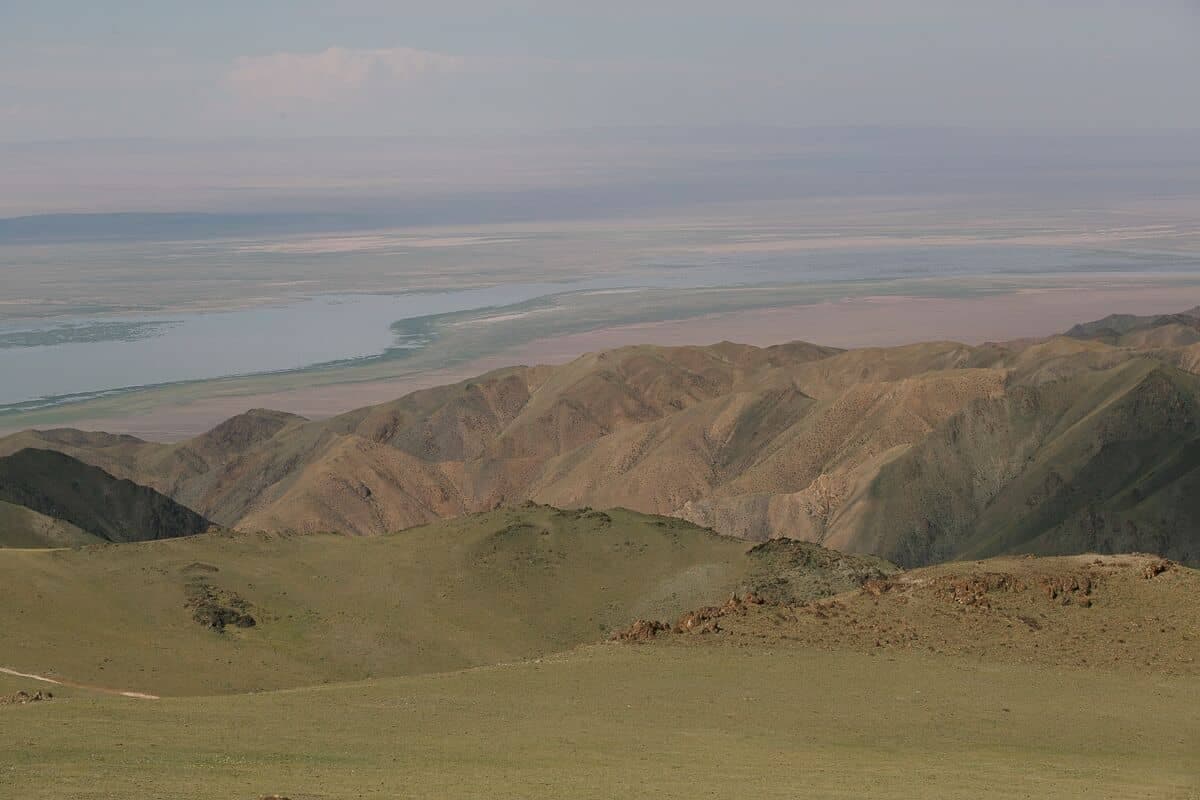
After breakfast, we head to Khugnu Khan natural reserve which is the border of Gobi desert and Central Mongolia. The park is a splendid mountain with extraordinary sand dunes about 80 kilometers. The scenery is spectacular combination of desert, picturesque mountain, river and green grassland.
Uushgiin uvur deer stone monuments
After breakfast, we drive to the Uushgiin Uvur, which is located in southeastern sunny side of rock Uushig mountain 17km west from Murun, Huvsgul Aimag and about 3km from northern bank of Delger River in Burentogtokh Soum. You can find tombs, rectangular burials and 14 deer stones in a single area at the same time. This memorial contains the most clearly depicted deer stone in Mongolia.
Terkh White Lake
After breakfast, we drive to the Terkh White lake. This scenic freshwater lake is around 16km long, east to west, and around 4km to 6km wide, north to south. On average, it is about 20 meters deep, and 61 square kilometers in this area. The Lake is extremely beautiful with rich species of fish and birds. It is one of the nicest places for bird watching.
Khorgo volcanic crater
After breakfast, we start to hike volcanic crater. It is situated at an altitude of 2210 m, 200 m wide and 100 m deep. Near the crater there are dozens of small caverns with stalactites hanging from their ceiling and walls. Because of volcanic eruption, the nature has very unique formation.
Tsenkher hot spring
After breakfast, we drive to the Tsenkher hot spring which is located in a beautiful forested mountain valley. The 86 degrees Celsius hot spring water has curing properties for arthritic joints and other ailments. Hot spring has high pressure for flowing 10 liters per second. We will relax at the hot spring in the afternoon.
Kharkhorum
After breakfast, we drive to Karakorum which was one of the most important cities in the history of the Silk Road. Although founded by Genghis Khan in 1220, Karakorum’s development as capital of the Mongol Empire occurred in the 1230s under his son Ugudei. We explore Erdene Zuu monastery which was built on the ruins of Karakorum in 1586.
Khugnu Tarna natural reserve
After breakfast, we head to Khugnu Khan natural reserve which is the border of Gobi desert and Central Mongolia. The park is a splendid mountain with extraordinary sand dunes about 80 kilometers. The scenery is spectacular combination of desert, picturesque mountain, river and green grassland.
Hustai national park
After breakfast, we drive to Hustai National Park which is one of the well known and prestigious special protected areas in Mongolia. Hustai NP s home to the rare and endangered Przewalski’s horses--the only species of wild horses in the world--as well as many other internationally-important plants and animals. Mongolia is the only place in the world where Przewalski’s horses exist within their historic range; HNP is home to the world’s largest number of Przewalski’s horses in the wild.
Back to Ulaanbaatar
We will have breakfast at 9am then we head to Ulaanbaatar.
What's included
Prices
Single room / ger supplement: $240
2026 group departures
Group departure price: $1,620 per person
Gallery